
Who is the Messiah?
Who do you say that I am?
– Jesus of Nazareth
↓
Jesus asked this question 2,000 years ago.
However, today it is the most critical question you will ever answer.

How would you answer it? Can you answer it correctly?
On the surface, it seems a simple question of identification. But God cares immensely how you answer it because your eternity is at stake.
Consider the following six questions.
❶ Does God care what I think about Jesus?
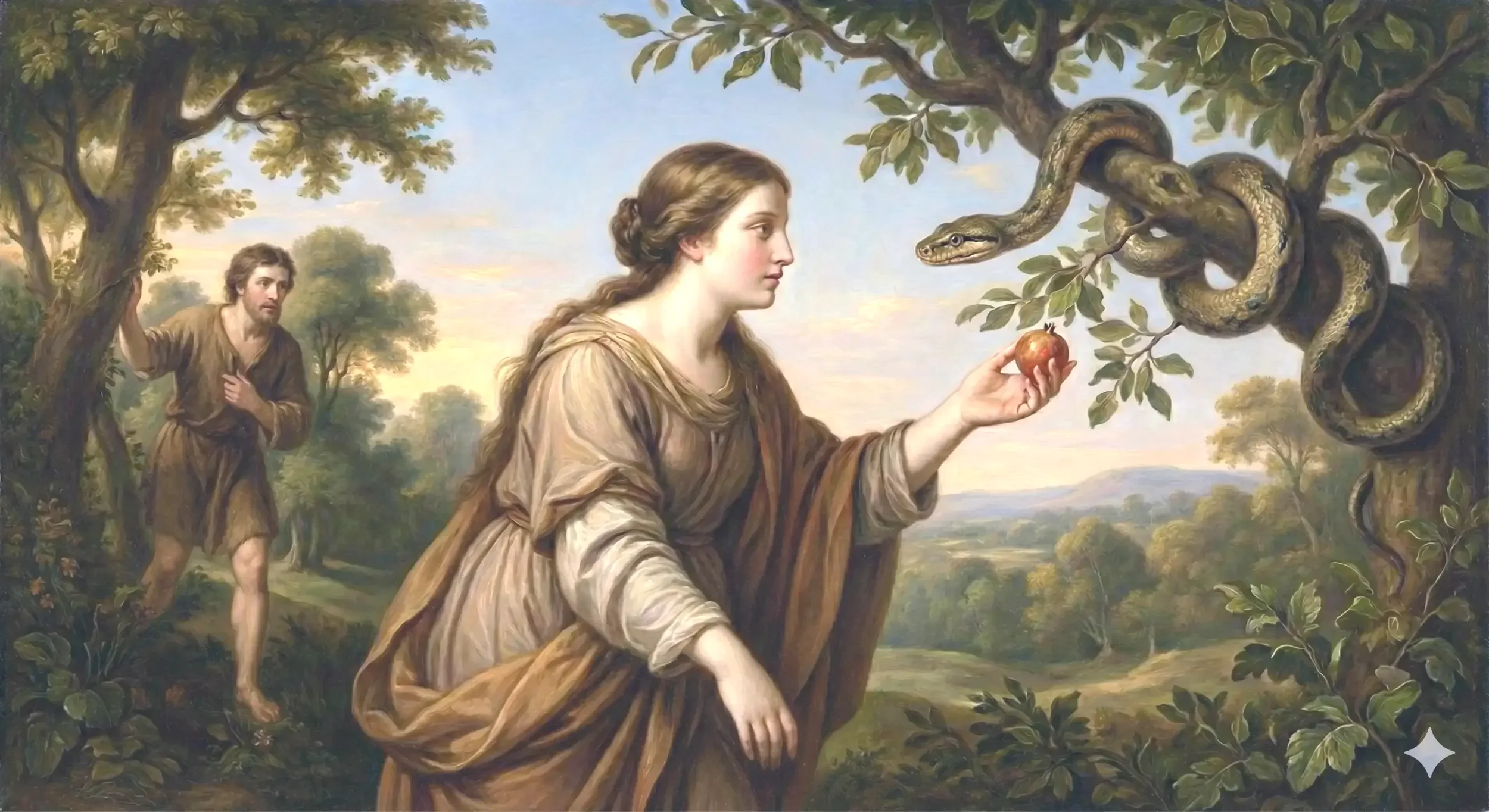
Yes, because we have a problem. It all goes back to when our ancient father Adam, the first man and father of us all, was given permission by God to eat from any tree in the Garden of Eden except the tree of the knowledge of good and evil, of which God told him, “in the day that you eat of it you shall surely die” (Genesis 2:17).

Adam sinned. He disobeyed God and ate from the forbidden tree. His disobedience brought not only physical death to him and all of his descendants, but also spiritual death—separation from God. Although his physical death wasn’t immediate, as was his spiritual death, both were certain. The penalty of death passed to each of us as Adam’s descendants.
Anytime we fail to do as God says, we sin. God teaches in Scripture that we are responsible for our sins, and they separate us from Him. The prophet Ezekiel declared, “The soul who sins shall die” (Ezekiel 18:20).
A God of justice has declared His intention to judge each of us for our sin. The prophet Isaiah said emphatically, “Your iniquities have separated you from your God” (Isaiah 59:2).
God says our hearts deceive us into believing we are good before Him (Jeremiah 17:9). We believe our good deeds are enough to please Him. However, Isaiah tells us, “We are all like an unclean thing, and all of our righteousnesses are like filthy rags” (Isaiah 64:6).
K E E P S C R O L L I N G . . .
❷ Does my dilemma matter to Jesus?
God loved you enough to get Jesus involved.
Without the God of justice also being a God of love, we would all be lost. Right from the start, in Genesis 3:15, God promised a remedy to death, announcing His plan to redeem humanity and creation from judgment.
The Scriptures unfold this plan through the Messiah—translated as "Christ"—our Savior. Ultimately, it is God who provides this path of salvation, declaring: “There is no other God besides Me, a just God and a Savior” (Isaiah 45:21).
K E E P S C R O L L I N G . . .
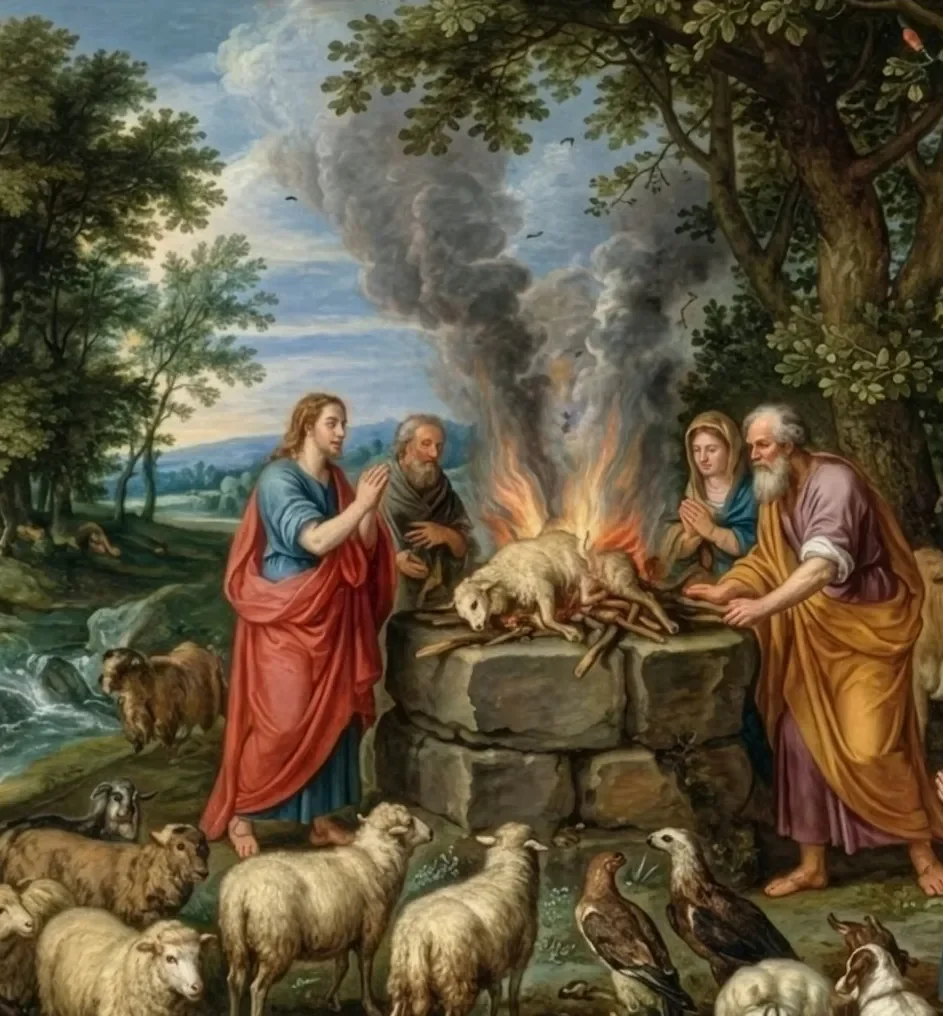
In Leviticus, God teaches, “For the life of the flesh is in the blood, and I have given it to you upon the altar to make for your souls; for it is the blood that makes atonement for the soul” (Leviticus 17:11). God’s love provided a way to atone, “to cover over,” our sins through the blood of an unblemished sacrifice.
God shed the blood of animals to clothe Adam and Eve after their disobedience (Genesis 3:21). In Exodus 12 it was the blood of an unblemished lamb applied to the doorposts of each home that saved the firstborns at Passover from God’s judgment of death.
S C R O L L . . .
❸ Did Jesus have to die for me?
Animal sacrifices, which were required yearly, were not sufficient to cover our sins forever. We needed a Redeemer—someone who could stand in our place, take the punishment we deserve, and set us free from having to pay the penalty for our sin. To be acceptable to God as the final sacrifice for our sins, our Redeemer needed to be unblemished—sinless.
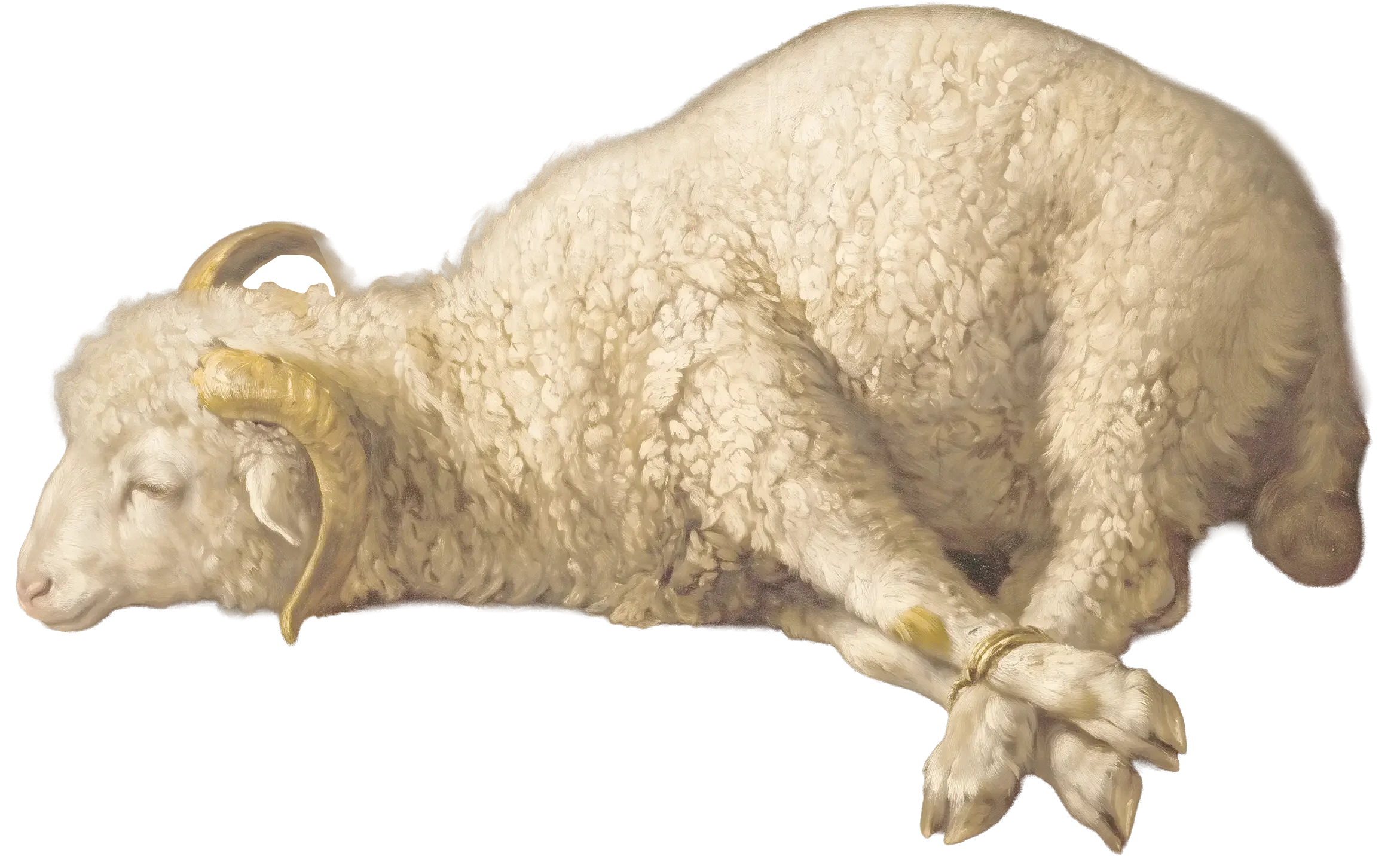
God loves us so much that He provided His own Son, the Son of Promise (Isaiah 9:6)—the Redeemer, the Messiah—Jesus the Christ, to take our punishment upon Himself. Seven hundred years before the Redeemer’s arrival, Isaiah said the Messiah would first come to Earth and pay our redemption price: His unblemished blood in exchange for our souls:
S C R O L L . . .
Surely He has borne our griefs and carried our sorrows. . . But He was wounded for our transgressions, He was bruised for our iniquities; the chastisement for our peace was upon Him, and by His stripes we are healed. All we like sheep have gone astray; we have turned, every one, to his own way; and the LORD has laid on Him the iniquity of us all.
– Isaiah 53:4-6
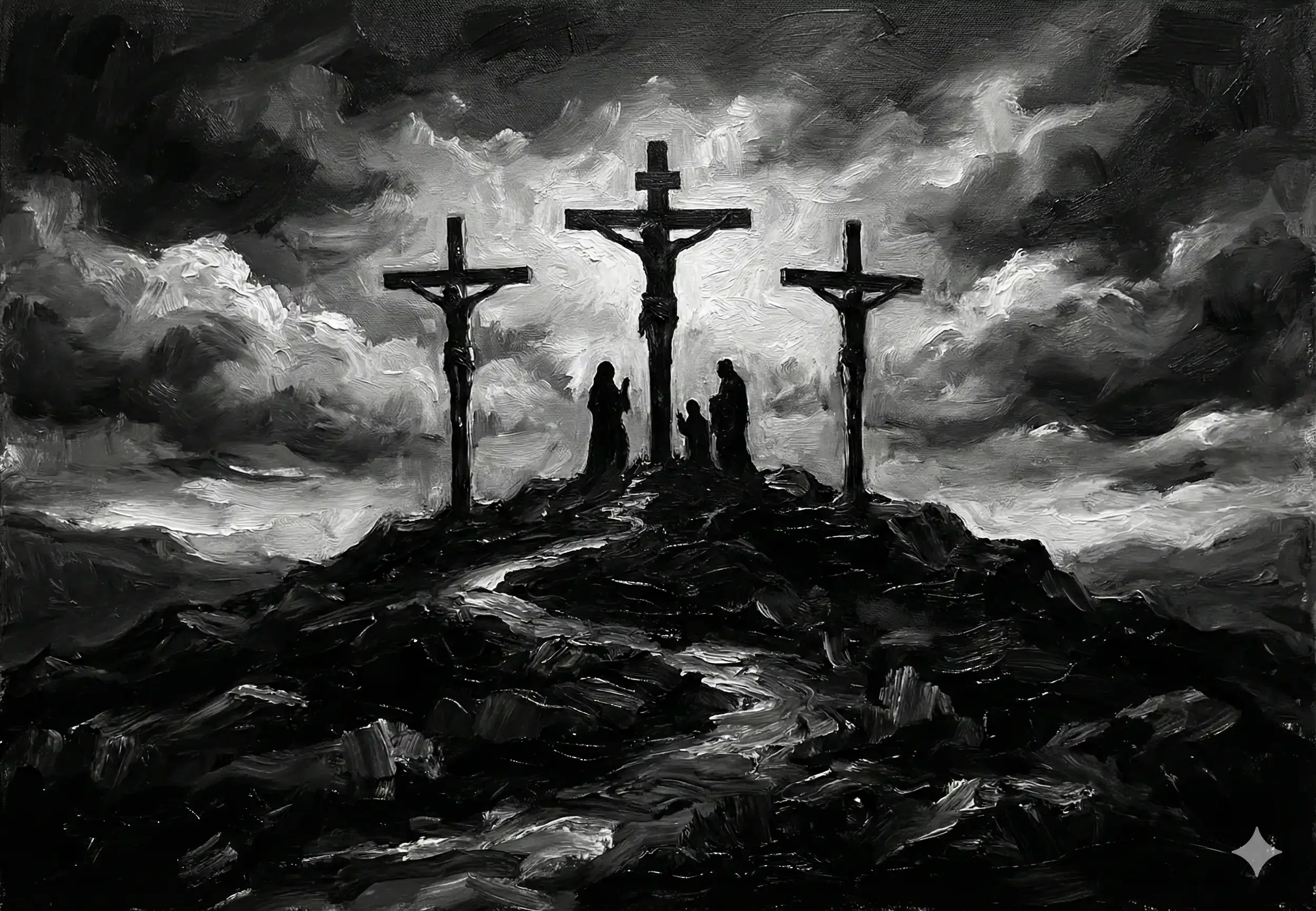
The Lord told us His Messiah would die: “And after sixty-two weeks Messiah shall be cut off” (Daniel 9:26). It was necessary that He die in order to atone for our sins, something we could not do for ourselves without suffering eternal punishment and separation from God. Rising from the grave, He proved He conquered sin and death (1 Corinthians 15:3-4).
S C R O L L . . .
❹ Is Jesus my only answer?
Only a sinless Messiah—both human and divine—was qualified to make atonement. Scripture highlights this unique identity, with Psalm 2 calling Him the Lord's Son (Psalm 2:12) and Isaiah presenting God as both King and Redeemer (Isaiah 44:6).
Proverbs 30:4 reinforces this divine relationship by asking, "What is His Son’s name?"—a question of eternal importance.
Knowing Him is crucial because, as Daniel warns, we will all eventually be resurrected for final judgment: "some to everlasting life, some to shame and everlasting contempt" (Daniel 12:2).
The way to everlasting life with God is through faith in His Son—the Redeemer, the Messiah. The way of faith is the same today as it was in the day of Abraham: belief in God and His promised Redeemer: “He believed in the LORD, and He accounted it to him for righteousness” (Genesis 15:6).
When Jesus asked one of His Jewish followers, “Who do you say that I am?” (Matthew 16:15), the man answered, “You are the Christ [Messiah], the Son of the living God!” (Matthew 16:16). Another Jewish man identified Jesus as “the Lamb of God who takes away the sin of the world!” (John 1:29).
K E E P S C R O L L I N G . . .
❺ Who is Jesus to you?
Today Jesus asks the same question of you: “Who do you say that I am?” Your answer will determine whether you are raised to eternal life or eternal judgment and condemnation.
If you choose to reject Jesus Christ as the Messiah and your Savior, the Bible teaches your name will not be written in the Book of Life, resulting in everlasting judgment and eternal separation from God after you die. God calls this eternal death the “second death” (Revelation 20:11-15).
But God loves you deeply! It is His great desire that you not perish (2 Peter 3:9). By believing that Jesus Christ sacrificed Himself to pay for your sin and that He arose from the dead because He is God, you will inherit eternal life with Him and not eternal judgment (Romans 10:9-13, Colossians. 1:14).
If you believe in Jesus as your Savior, the Bible says God will no longer see you as a sinner but as His righteous child (2 Corinthians 5:21); and you will enjoy a home with Him for all of eternity (John 14:1-3).
And finally, Jesus is asking you…